
Views: 9
Since the UN-organized meetings to address the effects of climate change yielded virtually no concrete action due to sabotage by countries interested in continuing to exploit fossil fuels, nearly 60 countries decided to meet separately and independently to try to reach some kind of agreement that would help them take concrete action.
The meeting was held just a month ago in Santa Marta, Colombia, and the participating countries agreed to advance national roadmaps to try to achieve the transition away from coal, oil, and gas, with practical plans to dismantle subsidies, accelerate renewables, and manage divestment and closure of fossil fuel assets.
The creation of scientific and governance mechanisms was also promoted: a proposal for a scientific panel to support transition policies and discussions on multilateral instruments (including the idea of negotiating a binding treaty on the phase-out of fossil fuels).
Emphasis was placed on justice and financing, with calls for quality climate finance from developed countries, measures to prevent the Global South from bearing the brunt of the transition, proposals for debt relief, and levies on the profits of major oil companies to finance the transition.
The countries committed to developing national roadmaps, sharing lessons learned and technical tools, and a second conference (Tuvalu in 2027) was announced to follow up and push for concrete implementations.
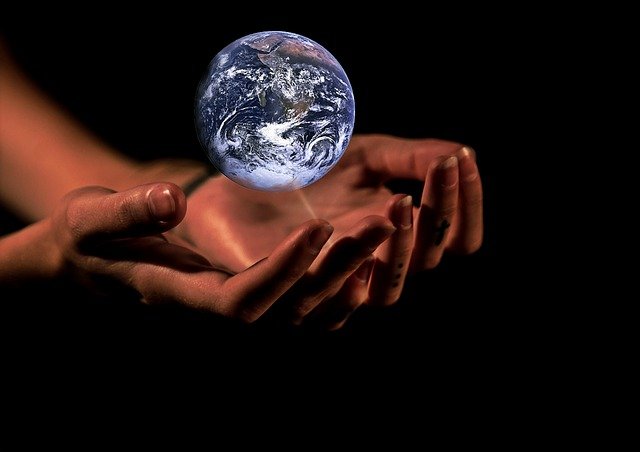
These countries refuse to continue living with an economic system based on the ongoing destruction of life on the planet and want to find different solutions. They are not against anyone; they are clear that the current path is leading us to disaster and refuse to accept the current inaction.
France was the first developed country to present a concrete proposal to eliminate fossil fuels, proposing to close coal mines by 2030, oil by 2045, and gas by 2050. This includes boosting the electrification of transport, replacing gas boilers with heat pumps, accelerating energy-efficient building renovations, and other measures, in addition to tax incentives to support these changes.
This was just the first meeting, and we will have to wait for subsequent meetings to see how things develop, but it represents a hopeful shift in the global landscape, given the rising pollution and temperatures. We can only hope that more countries will join in this movement for real change.
The future belongs to those who make it happen.
 EN
EN  ES
ES