
Views: 11
The transition to electric cars is presented as one of the key tools for reducing polluting emissions and combating climate change. However, amidst this transformation, something paradoxical is happening: more and more electric SUVs are being sold—large, heavy, and inefficient vehicles that seem to run counter to the sustainability goals of the future of mobility.
The trend is clear. In Europe, more than 70% of new cars sold in the last year belong to the SUV segment. In China, the world's largest electric vehicle market, more than 60% of new electric vehicles are also SUVs. Far from opting for smaller, more efficient cars, consumers are choosing increasingly larger models.
The problem begins with manufacturing itself. An electric SUV needs a considerably larger battery than a compact car to offer a similar range. This means using more raw materials, such as lithium, nickel, and cobalt, the extraction of which has a significant environmental impact. Furthermore, manufacturing larger batteries requires more energy and generates a larger carbon footprint even before the vehicle leaves the dealership.
Once on the road, the situation doesn't improve much. Although an electric SUV doesn't emit exhaust fumes, its weight increases energy consumption. It needs more electricity to move, requires larger batteries, and causes greater wear on tires and brakes. Several studies have indicated that the particles generated by tire and brake wear are a significant source of urban pollution, regardless of the type of engine the vehicle uses.
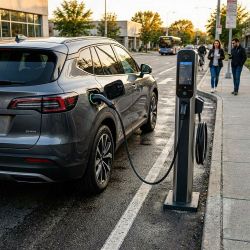
All of this raises an uncomfortable question: does it make sense to replace a combustion engine car with a huge electric SUV if the goal is to reduce our environmental impact?
The answer lies in understanding that sustainable mobility isn't simply about swapping a gasoline engine for an electric one. The real challenge is using resources more intelligently. And that means, first and foremost, reducing our dependence on cars when viable alternatives exist, such as public transport, cycling, or walking.
When car use is necessary, environmental logic points toward lighter, smaller, and more efficient vehicles. A compact car requires fewer materials to manufacture, consumes less energy, and takes up less space in cities. However, the automotive industry seems to be moving in the opposite direction.
Why is this happening? The answer lies largely in marketing and profitability. SUVs offer higher profit margins for manufacturers because they are more expensive vehicles. Furthermore, for years they have been promoted as safer, more family-friendly models with a status image that many consumers value.
Some cities and countries have begun to react. There are initiatives that apply taxes, parking fees, or specific restrictions to heavier vehicles with the aim of incentivizing more efficient models. However, changing consumption habits and social preferences is a slow and complex process.
The electrification of transportation is an essential step in reducing emissions, but it shouldn't become an excuse to maintain the same inefficient consumption patterns. The future of personal mobility must not only be electric; it also needs to be more rational, lighter, and less dependent on private cars.
Unfortunately, the popularity of electric SUVs demonstrates that there is still a long way to go. Technology is advancing in the right direction, but our choices as consumers may not be keeping pace.
 EN
EN  ES
ES