
Views: 20
The Internet was born with a promise: free access to knowledge, global communication, and the democratization of information. However, many people today feel that this promise has been distorted. The web is increasingly perceived as a great river where valuable information flows… mixed with an enormous amount of digital garbage.
This feeling is not accidental. In the current ecosystem, news, viral content, and social media posts are frequently surrounded by misinformation, exaggerations, and what we know as fake news. The result is an environment where distinguishing the truth becomes complicated.
The problem is that lying has become profitable. Unlike traditional media, where there are clear regulations on the veracity of information, on the Internet many deceptive practices are protected by a supposed freedom of expression. This has created fertile ground for manipulation.
The phenomenon known as enshittification precisely describes this degradation. Digital platforms, in their pursuit of profit, prioritize engagement over quality. Thus, the most eye-catching content—even if false—spreads faster.
Added to this are technologies like bots and algorithms that amplify messages. In a short time, a person can be exposed to contradictory versions of the same event. The result? Confusion, distrust, and, often, a tendency to believe what is repeated most often. Which is precisely what benefits those who spread the lies.
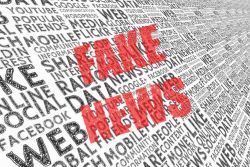
This phenomenon has profound implications, especially in areas like politics, where information manipulation can directly influence collective decisions.
We are not entirely defenseless. Despite this situation, there are also initiatives that seek to improve the quality of the digital environment. An interesting example is the work of the Norwegian Consumer Council, which has launched campaigns to raise awareness about the problems of the digital economy and online manipulation.
Here you can see one of their most representative videos:
These types of initiatives seek something key: to return control to users and encourage a more critical and conscious use of the internet.
Imagining a different internet is not utopian. In fact, many experts agree that it is possible to build a more ethical network, based on principles such as:
. Algorithmic transparency: understanding why we see what we see.
. Platform responsibility: limiting the spread of false content.
. Digital education: training citizens to be critical of information.
. Alternative models: decentralized networks or those without intrusive advertising.
Projects already exist that explore these paths, from social networks without manipulative algorithms to platforms funded by their users instead of advertising. And the user's role is key to this change.
Although the large platforms have an enormous responsibility, the change also depends on us. Every click, every share, and every source we choose to consult contributes to defining the kind of internet we build.
Adopting habits like verifying sources, avoiding spreading dubious information, and diversifying the media we consume can make a significant difference.
In conclusion: No, we don't have to settle for "digital garbage." The internet isn't a static entity: it's a constantly evolving ecosystem, shaped by technological, economic, and social decisions.
The question isn't just whether another internet is possible, but whether we're willing to build it. And the answer, to a large extent, lies in our hands.
 EN
EN  ES
ES