
Views: 15
For decades, air taxis seemed like something out of science fiction. However, 2026 could mark a turning point. The United States is accelerating the development of these new transportation systems with an ambitious program that will allow testing in up to 26 states, a key step toward making urban flights of the future a reality.
The idea is simple: to use electric aircraft capable of vertical takeoff and landing—known as eVTOL (Electric Vertical Takeoff and Landing) technology—to transport people on short trips within cities or between nearby metropolitan areas.
The US government believes this technology can transform the future of mobility. For this reason, it has launched the Advanced Air Mobility and Electric Vertical Takeoff and Landing Integration Pilot Program.
Its objective is clear: to position the United States at the forefront of the next generation of personal and regional air transportation.
This decision is not accidental. Many of the leading companies in this sector are located in the United States, although there is also strong international competition, especially from China.
This program will allow different companies to develop and test their eVTOL aircraft in collaboration with state transportation departments and local authorities, facilitating operational testing under real-world conditions.
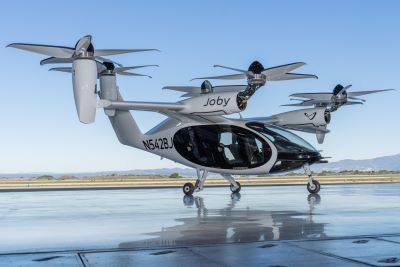
One of the biggest obstacles for any new aircraft is the certification process. Obtaining an airworthiness certificate can take years and require investments of millions of dollars. For technology startups developing these new vehicles, this process can significantly slow innovation and increase costs.
The pilot program seeks precisely to accelerate this development phase, with more testing and less red tape.
Participating companies will be able to conduct multiple tests, collect operational data, and experiment with different service models, all with provisional permits and more flexible regulatory frameworks.
This doesn't mean breaking the rules, but rather creating an environment where innovation can advance more quickly without being hampered by processes designed for traditional aviation.
In other words, the aim is to reduce development time and costs, allowing companies to learn while testing their technologies in real-world environments.
Currently, dozens of technology companies are developing electric air taxis. The sector is full of startups and promises. Some have pledged to begin initial commercial operations as early as 2026, especially on short urban routes or connections between airports and city centers.
The potential advantages are significant:
. silent flights
. zero direct emissions
. reduced road congestion
. much shorter travel times
In cities with heavy traffic, a journey that currently takes an hour could be reduced to 10 or 15 minutes by air.
Even so, it's important to remain realistic. Aviation development has always been governed by very strict regulations, and passenger safety allows no shortcuts.
Although these pilot programs facilitate testing and accelerate innovation, the final certification of the aircraft must meet the same rigorous standards as any other aircraft. People's lives are not something to gamble with.
Therefore, the path to commercial air taxis will be gradual. First will come the trials, then limited operations, and only later, a broader expansion, but always in compliance with aviation certification regulations.
If everything progresses as companies and authorities hope, this decade could be remembered as the moment when urban air mobility truly began to take off.
As always, time will tell.
 EN
EN  ES
ES