
Views: 0
The relationships in this world are curious, and how a seemingly positive decision for the climate can draw criticism elsewhere because it might affect current business interests.
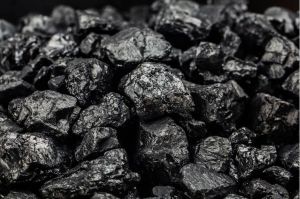
Specifically, I'm referring to South Korea's decision to close its 62 coal-fired power plants (40 of which already have scheduled closure dates) to combat climate change. This decision has drawn criticism from Australia, as the latter is one of the world's largest coal exporters.
In the last year, Australian mines sold $32 billion worth of coal worldwide, making it the second-largest exporter after Indonesia. And it's quite clear that, despite what politicians say, Australia is more interested in continuing to sell coal to the world than in taking measures to try to reverse climate change.
And this happens everywhere. Politicians are primarily concerned with their next reelection, and they support whatever benefits them, regardless of the general interest. This happens everywhere.
At the last COP 30 meeting, there were more people representing oil companies and similar lobbying groups than representatives from various governments or climate movements. The aim is to obstruct, as much as possible, decision-making in favor of the planet, in order to continue benefiting the established businesses of companies that sell fossil fuels.
Maintaining the current situation generates enormous profits for very powerful people with vast financial, media, and lobbying resources. And as long as these tactics are employed, they continue to make more money. And what will happen next, only God knows.
There will continue to be COPs, and I trust that progress will continue in the right direction, but what is not so clear is whether the speed of the response will be what is needed. And as always, the poorest will pay the price.
That's how unfair life is.
 EN
EN  ES
ES